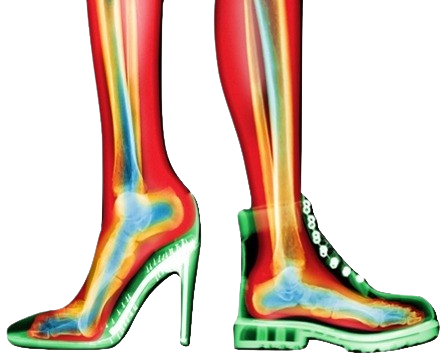
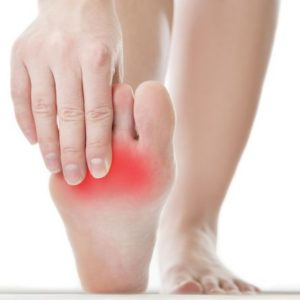
Metatarsalgia is a general term describing pain in the metatarsals, which are the long bones of the feet. It is commonly referred to as a symptom (pain at the ball of the foot) of other conditions, as opposed to a condition in itself. Because the metatarsal bones should have weight and forces evenly distributed between them through every step, problems that overload a particular metatarsal or group of metatarsals can quickly become very painful for those affected.
 Because
metatarsalgia is a broad term that can refer to many conditions, the causes can vary greatly. Commonly, there may be biomechanical and
alignment issues involved that place greater stress on the metatarsal bones at the ball of the foot. This may not refer to just the bony
structure, but also refer to weak muscles and ligaments that allow the positioning of the metatarsals to change and take on a greater load.
Generally, causes can include:
Because
metatarsalgia is a broad term that can refer to many conditions, the causes can vary greatly. Commonly, there may be biomechanical and
alignment issues involved that place greater stress on the metatarsal bones at the ball of the foot. This may not refer to just the bony
structure, but also refer to weak muscles and ligaments that allow the positioning of the metatarsals to change and take on a greater load.
Generally, causes can include:
Metatarsalgia is characterised by pain at the ball of the foot. The pain can range from sharp to a dull ache. The pain is usually exacerbated by walking and putting pressure on the metatarsals. Depending on the cause, swelling may also be present, which may irritate the surrounding structures of the foot and cause the pain to radiate.
The treatment of metatarsalgia must address its specific cause. The first step is then to identify this cause. This can be done through an assessment with your podiatrist, which will examine everything from the biomechanics and alignment of your feet and legs to pressure testing, muscle strength testing, footwear assessment, gait analysis and more. Any concurrent conditions, such as callus or bursitis in the feet, also need to be managed appropriately. While the PRICE (protection, rest, ice, compression and elevation) principles can help relieve the painful symptoms, treatment needs to be directed at correcting the cause so that metatarsalgia doesn’t become an ongoing issue. To achieve this, treatment may include:
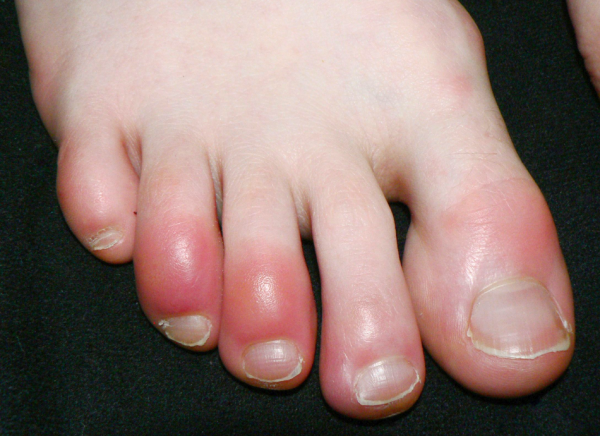
Cold, itchy, swollen toes this winter? You could be dealing with chilblains. This common condition affects the small blood vessels in your skin and can cause redness, pain, and irritation, particularly on the toes. Learn what causes chilblains, how to prevent them, and when it's time to seek professional advice.
There’s something special about a chilling morning. The quiet air, a warm cup of coffee, and a slow start before the
day begins. But for many people, that peaceful moment is interrupted by a sharp reminder the second their feet hit the floor.

Valentine’s Day is about love, appreciation, and thoughtful gestures but let’s be honest, most gifts don’t last longer than a week. This year, choose something different. Choose a gift that offers comfort, confidence, and real care: a Medical Pedicure.
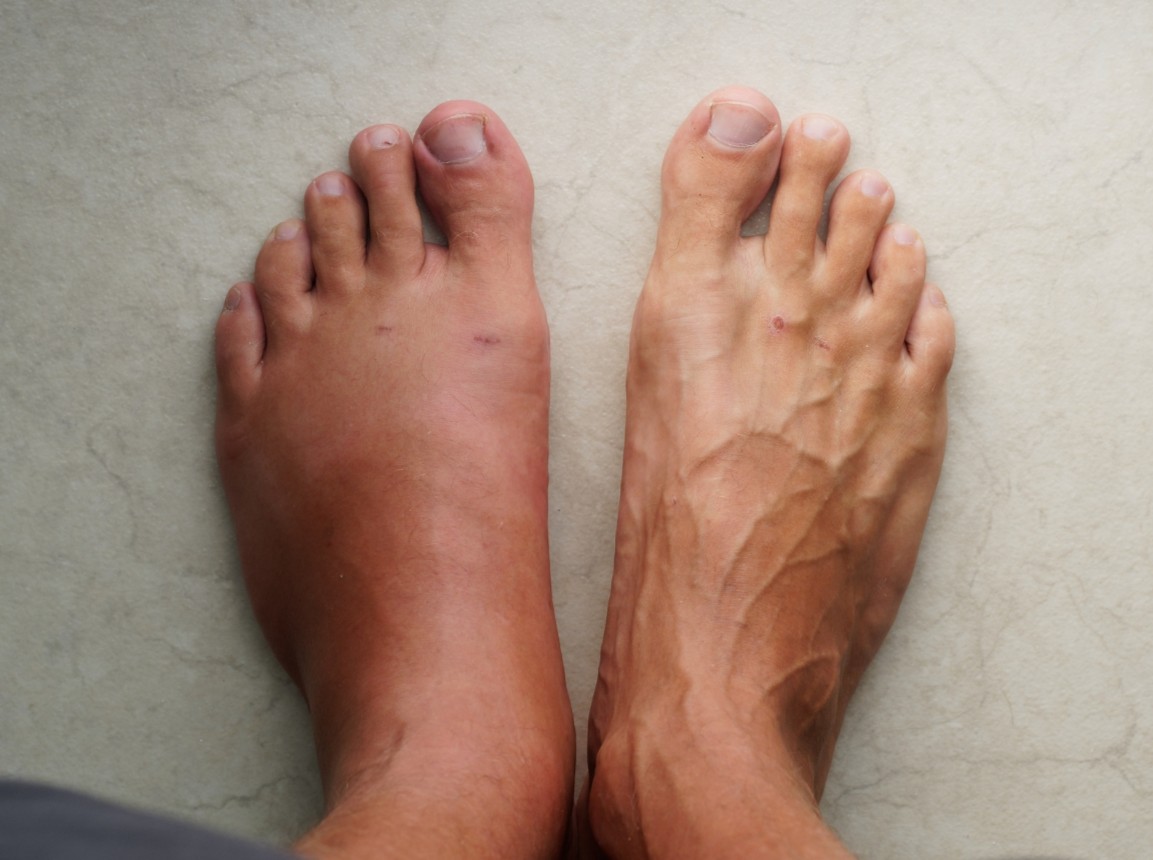
We’ve all had those days — you come home after hours on your feet, kick off your shoes, and notice your ankles look puffier than usual.
Swelling in the feet, ankles, or legs (known medically as edema) isn’t always a reason to panic. It can be as simple as a
salty lunch or a long flight.
But what if it’s happening more often — or seems to be getting worse? Swelling can sometimes be a sign of something more serious. Here’s
what could be going on and when to check in with your doctor.
.jpg)
Every year on October 8th, the world celebrates International Podiatry Day - a day dedicated to
raising awareness about foot health and the vital role that podiatrists play in our overall well-being.
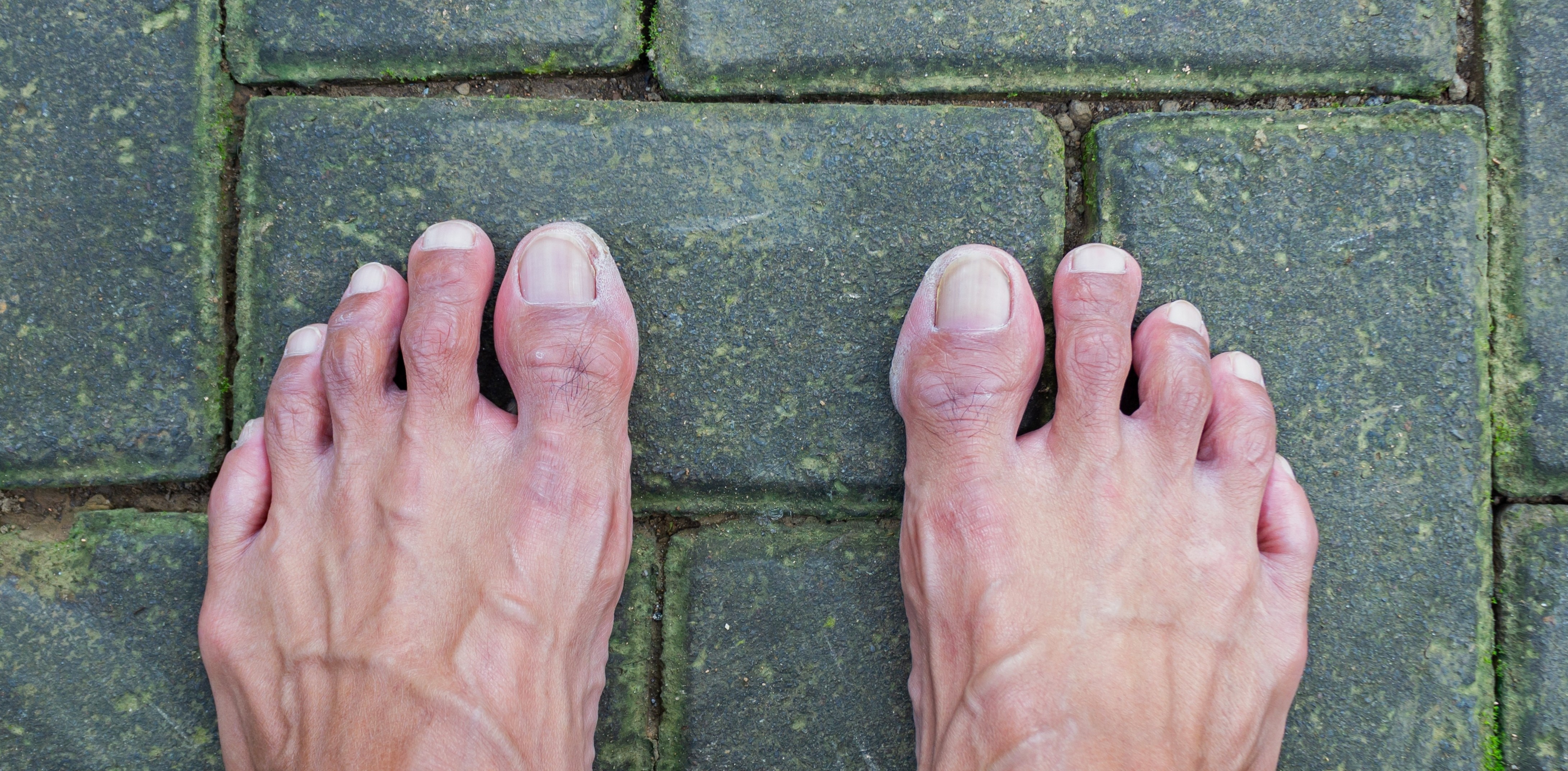
There’s been a lot of buzz about going barefoot. Some say it helps strengthen feet and improves performance, while others warn it can do more harm than good. The truth? It depends on the person, the surface, and how it’s done.
Keeping your family on their feet and helping them to walk, run, play and exceed their goals is why we love getting up in the morning.
Ground Floor, One Health Building
122 Remuera Rd, Remuera
Auckland 1050, New Zealand
| MON - FRI | 7:30am – 6:30pm |
| SAT | 8:30am – 4:30pm |
| SUN | Some availability |
Make an Appointment
Online Schedule
Our virtual receptionist is available 24/7 to help with general questions, booking requests, and clinic information, even when our team is busy, or it's after hours.
Whether you're calling us or using our website, you'll get fast assistance any time of day. And if your query needs a personal touch, a member of our team will follow up as soon as possible.
If you’d like to see a podiatrist who speaks your preferred language, just give us a call and we’ll help you book.