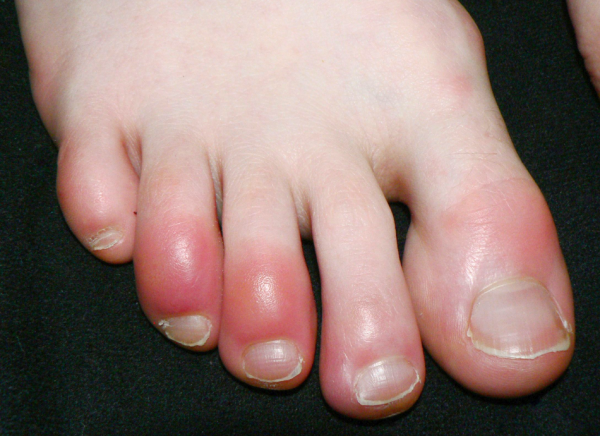
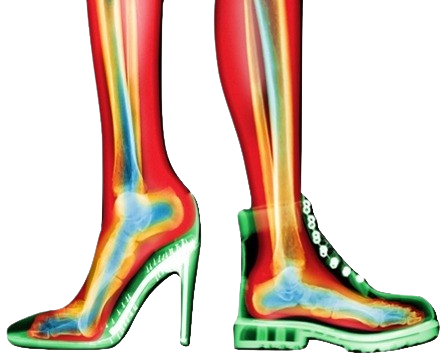
As winter arrives, many people notice changes in their toes that go beyond simply feeling cold. Itchy patches, swelling, redness, and
tenderness can develop seemingly overnight, making shoes uncomfortable and everyday activities less enjoyable.
One common cause of these symptoms is chilblains. Although they're generally not a serious medical condition, chilblains can be frustrating, uncomfortable, and prone to returning each winter if the conditions that trigger them remain the same.
Chilblains most often affect the toes because they are frequently exposed to cold and damp conditions. Whether it's wet footwear, chilly morning walks, outdoor work, or simply spending time in cold weather, toes are often the first area to feel the effects of winter.
The condition develops as a reaction to cold temperatures and damp environments. When the skin is exposed to these conditions, inflammation can occur, leading to the characteristic symptoms associated with chilblains.
Many people initially mistake chilblains for dry skin, irritation, or a rash. However, the symptoms tend to be quite distinctive.
You may notice:
Symptoms often appear after exposure to cold weather and can persist for several weeks before settling.
Not everyone exposed to winter conditions develops chilblains. Certain factors can increase the likelihood of experiencing them.
People may be at greater risk if they:

Understanding your risk factors can help you take preventative steps before symptoms develop.
The most important goal is protecting the affected area while it recovers.
If chilblains develop on your toes, try to:
Although it may be tempting to place cold feet directly in front of a heater or use very hot water, sudden warming can aggravate symptoms.
For many people, prevention is the most effective strategy.
Simple measures include:
Choose Appropriate Winter Footwear
Footwear should provide warmth while allowing adequate room for circulation. Shoes that are too tight may increase the risk of chilblains developing.
Keep Moisture Under Control
Cold, damp feet are more vulnerable to chilblains. Changing wet socks promptly and avoiding prolonged exposure to damp footwear can help reduce risk.
Maintain Good Circulation
Regular physical activity helps support healthy circulation and can assist in keeping feet warm during colder months.
Avoid Smoking
Smoking affects blood vessels and circulation, which can contribute to the development of chilblains.
While chilblains often improve without medical treatment, professional assessment may be worthwhile if:
Because several foot conditions can appear similar, obtaining an accurate diagnosis is important before beginning any treatment plan.
Winter conditions can be challenging for foot health, particularly when cold and damp weather become a regular part of daily life. Recognising the early signs of chilblains and taking preventative measures can help reduce discomfort and minimise future flare-ups.
If you're concerned about painful, swollen, or itchy toes this winter, a podiatry assessment can help determine the cause and provide guidance on keeping your feet healthy throughout the colder months. Our podiatry clinic is located within the One Health building in Remuera. You can book your appointment with us online here or by calling 09 523 2333.
There’s something special about a chilling morning. The quiet air, a warm cup of coffee, and a slow start before the
day begins. But for many people, that peaceful moment is interrupted by a sharp reminder the second their feet hit the floor.

Valentine’s Day is about love, appreciation, and thoughtful gestures but let’s be honest, most gifts don’t last longer than a week. This year, choose something different. Choose a gift that offers comfort, confidence, and real care: a Medical Pedicure.
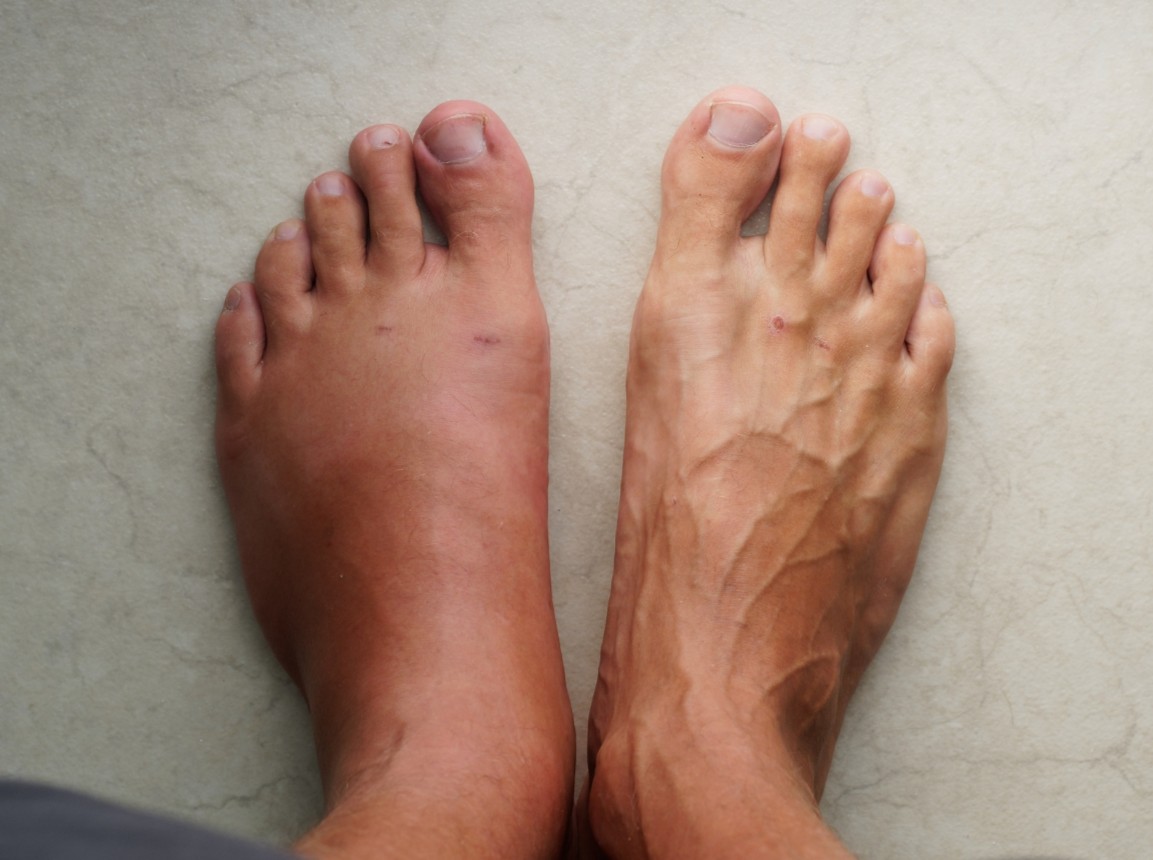
We’ve all had those days — you come home after hours on your feet, kick off your shoes, and notice your ankles look puffier than usual.
Swelling in the feet, ankles, or legs (known medically as edema) isn’t always a reason to panic. It can be as simple as a
salty lunch or a long flight.
But what if it’s happening more often — or seems to be getting worse? Swelling can sometimes be a sign of something more serious. Here’s
what could be going on and when to check in with your doctor.
Keeping your family on their feet and helping them to walk, run, play and exceed their goals is why we love getting up in the morning.
Ground Floor, One Health Building
122 Remuera Rd, Remuera
Auckland 1050, New Zealand
| MON - FRI | 7:30am – 6:30pm |
| SAT | 8:30am – 4:30pm |
| SUN | Some availability |
Make an Appointment
Online Schedule
Our virtual receptionist is available 24/7 to help with general questions, booking requests, and clinic information, even when our team is busy, or it's after hours.
Whether you're calling us or using our website, you'll get fast assistance any time of day. And if your query needs a personal touch, a member of our team will follow up as soon as possible.
If you’d like to see a podiatrist who speaks your preferred language, just give us a call and we’ll help you book.